
Chirurgia twarzoczaszki jest podspecjalizacją chirurgii twarzowo-szczękowej, która zajmuje
się wrodzonymi i nabytymi deformacjami czaszki, twarzy i kości szczęki. Szacuje się, że
istnieje ponad 500 zespołów anomalii twarzoczaszki. Większość z nich wpływa na kształt i
funkcję czaszki oraz twarzy. Wady te obejmują rzadkie rozszczepy twarzoczaszki, rozszczep
wargi i podniebienia, zespół Treachera Collinsa, zespół Aperta, zespół Crouzona i wiele
innych.
Kratiosynostoza to wada wrodzona charakteryzująca się przedwczesnym zrośnięciem
jednego lub wielu szwów czaszki dziecka, co uniemożliwia jej prawidłowy wzrost. Szwy
czaszkowe to specyficzne twory obecne pomiędzy poszczególnymi kośćmi czaszki u ludzi,
które pozwalają na powiększanie się struktur czaszki wraz z postępującym z wiekiem
rozwojem mózgu. Zrośnięcie przynajmniej jednego ze szwów czaszkowych sprawia, że
mózg rośnie w kierunku wolnym od ucisku, następstwem nieprawidłowości jest zwykle
deformacja czaszki. Czasami dochodzi do zarośnięcia jednocześnie kilku szwów
czaszkowych, co prowadzi do znacznego stopnia deformację czaszki.
Nasi specjaliści stosują najnowocześniejszą technikę, Osteogenic Distraction, która
zapewnia bardziej, niż tradycja technika, stabilną korekcję. Kratiosynostoza to złożony stan,
który może poważnie wpłynąć na wzrost dziecka. Dzięki zaawansowanym technikom
chirurgicznym leczenie tak złożonych schorzeń stało się możliwe i dostępne.
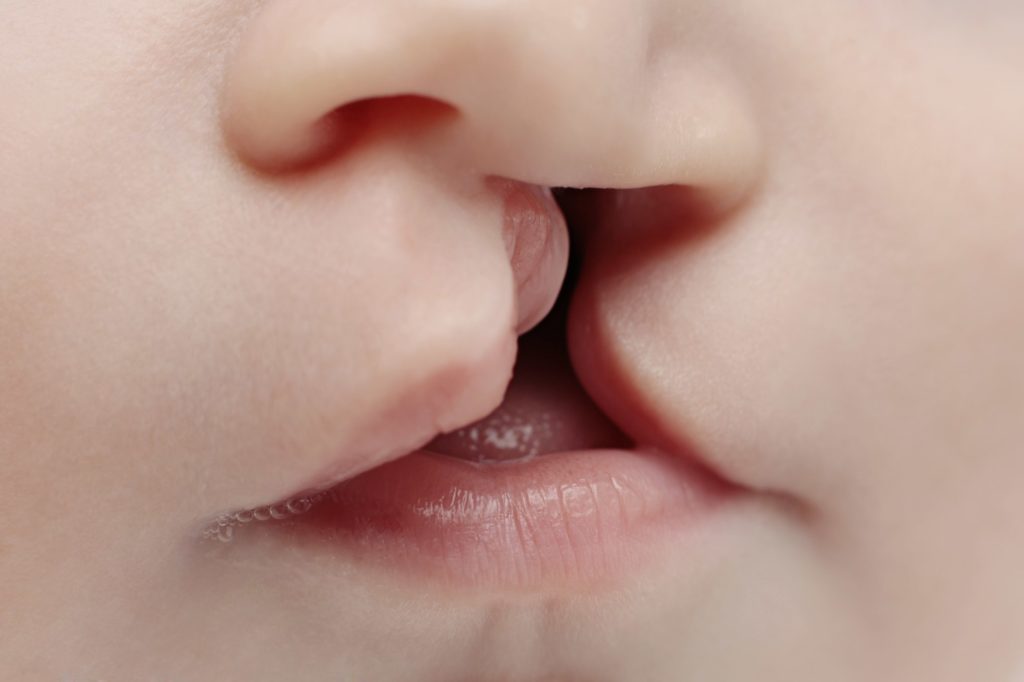
Craniofacial surgery is a subspecialty of maxillofacial surgery that deals with congenital and acquired deformities of the skull, face, jaw bone and associated structures. There are estimated to be over 500 syndromes with craniofacial anomalies. Most are morphologic, affecting the form and function of the head and face. These defects are typically treated by craniofacial surgeons, including craniosynostosis (isolated and syndromic), rare craniofacial clefts, cleft lip and palate, micrognathia, hemifacial microsomia, Treacher Collins Syndrome, Apert’s Syndrome, Crouzon’s Syndrome, hemifacial microsomia and many others.
Craniosynostosis refers to the early closing of one or more sutures of an infant’s head. It is a congenital disorder marked by premature fusion of one or more cranial sutures, resulting in abnormal cranial growth. The skull is normally composed of bones which are separated by sutures. As an infant’s brain grows, open sutures allow the skull to expand and develop a relatively normal head shape. If one or more of the sutures has closed early, it causes the skull to expand in the direction of the open sutures. This can result in an abnormal head shape. In severe cases, this condition can also cause increased pressure on the growing brain. Approximately one in 2500 infants are affected by this disorder.
Treatment
Treatment in infancy is directed at correction of the suture fusion and resultant misshapen head. Surgical treatment of the mid-face deformity is usually done during the pre-school period (age 4-6 yrs). Conventional surgical advancement of the mid-face requires numerous cuts of the facial bones and advancing the mid-face region to a predetermined level.
This usually requires bone grafts. Plates and screws are used to stabilise the new position. Our specialists are using the Osteogenic Distraction technique that provides more stable correction. Craniofacial syndrome, or craniosynostosis, is a complex condition that can severely affect a child’s growth. If not treated at the proper time, it generally causes permanent disability. However, with advanced surgical techniques, treating such complex conditions with minimal morbidity has become possible.
This usually requires bone grafts. Plates and screws are used to stabilise the new position. Our specialists are using the Osteogenic Distraction technique that provides more stable correction. Craniofacial syndrome, or craniosynostosis, is a complex condition that can severely affect a child’s growth. If not treated at the proper time, it generally causes permanent disability. However, with advanced surgical techniques, treating such complex conditions with minimal morbidity has become possible.