
اضطرابات المفصل الصدغي الفكي والتھاب المفصل الصدغي الفكي: یسمى المفصل عند تقاطع العظام
یوجد مفصلان على جانبي الجمجمة أمام .(TMJ) الصدغیة مع الفك السفلي المفصل الصدغي الفكي
الأذنین. المفاصل متحركة وتعمل معا لتوفیر حركات فك سلسة. ومع ذلك ، في بعض الأحیان تتحول
العضلات المرتبطة بالمفصل ، مما قد یؤدي إلى العدید من المشاكل. یمكن أن یحدث اضطراب المفصل
الفكي الصدغي بسبب العدید من العوامل ، مثل عوامل الأسنان أو العضلات أو المفاصل أو العوامل
التشریحیة. للتشخیص ، سیفحص الطبیب مفاصل الفك بحثا عن الألم أو الإیلام ویستمع إلى النقرات عند
تحریكھا. سیرى أیضا أن الفك یعمل بشكل صحیح ولا یغلق عند فتح أو إغلاق فمك. سیتحقق أیضا من
وجود مشاكل في عضلات وجھك. قد یأخذ الطبیب أشعة سینیة كاملة لتقییم فكك وأسنانك. كما یتم إجراء
أو التصویر المقطعي بالكمبیوتر. یمكن أن (MRI) اختبارات أخرى مثل التصویر بالرنین المغناطیسي
یظھر التصویر بالرنین المغناطیسي ما إذا كان المفصل الفكي الصدغي في الموضع الصحیح. الأعراض
الشائعة لاضطراب المفصل الفكي الصدغي ھي: – صعوبة في فتح الفم على نطاق واسع. – ألم في
وجھك ومنطقة مفصل الفك والرقبة والكتفین والأذن عند مضغ أو التحدث أو فتح فمك. – في وضع الفم
المفتوح أو المغلق ، تتعثر الفكین. – عند فتح أو إغلاق فمك أو مضغھ ، أصوات النقر في مفصل الفك .
– التعب في الوجھ. – مشكلة في المضغ. – تورم في الوجھ. – قد تعاني أیضا من آلام الأسنان
والصداع وآلام الرقبة والدوخة وآلام الأذن وآلام الكتف وطنین الأذن (طنین أو أزیز في الأذنین).
الرعایة اللاحقة: یمكن لمسكنات الألم ، مثل النابروكسین أو الإیبوبروفین ، أن تخفف من آلام العضلات
وتورمھا. یجب أن تأكل الطعام اللین. لتجنب المضغ ، قطع الطعام إلى قطع صغیرة. ضع كمادات الثلج
على جانب وجھك لمدة 10 دقائق تقریبا. الحفاظ على وضعیة جیدة. سیساعدك ھذا على تقلیل آلام الرقبة
والوجھ. لا تفتح فمك على نطاق واسع. تقیید حركات الفك الشدیدة. مارس علاج الحد من التوتر ، حاول
تعلم تقنیات استرخاء التوتر لتخفیف فكك.
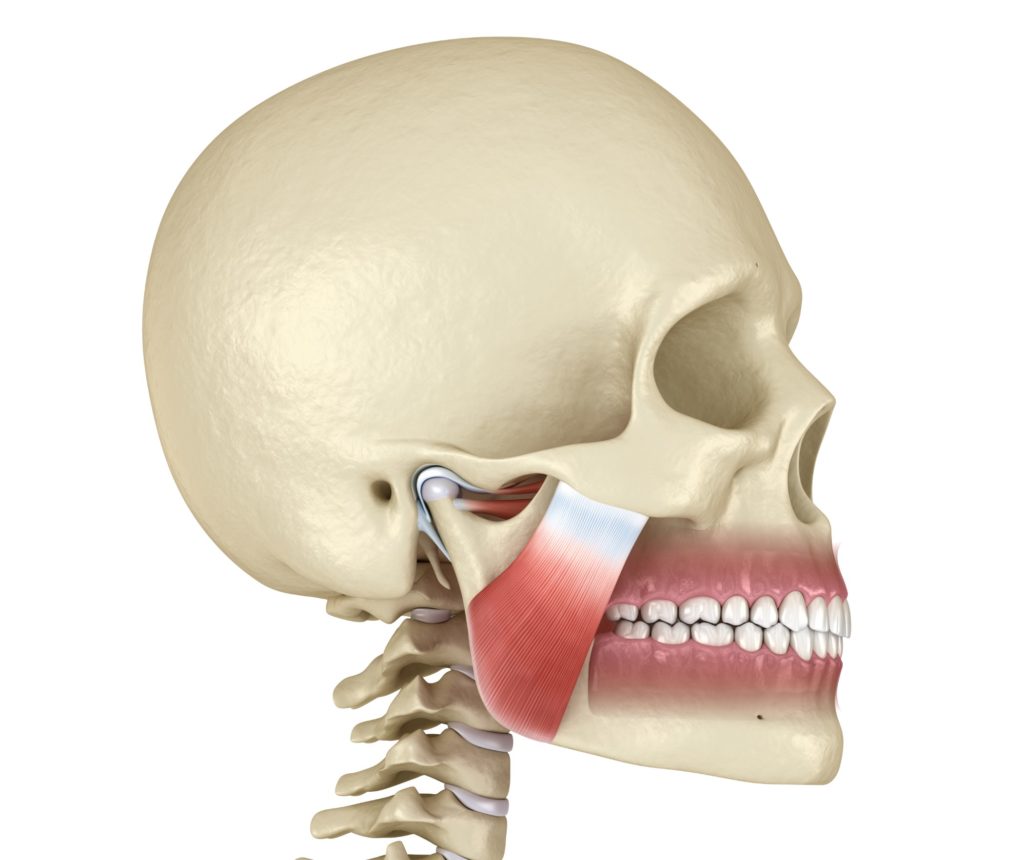
The joint at the junction of the temporal bones with the lower jaw is called the temporomandibular joint (TMJ). Two joints are on both sides of the skull in front of the ears. The joints are mobile and work together to provide smooth jaw movements. However, sometimes the muscles attached to the joint shift, which can lead to many problems. TMJ disorder can be caused by many factors, such as dental, myogenic, joint, or anatomical factors. To diagnose, the doctor will check your jaw joints for pain or tenderness and listen for clicks when you move them. He will also see that the jaw works properly and doesn’t lock when opening or closing your mouth. He will also check for problems with your facial muscles. The doctor may take a full X-Ray to evaluate your jaw and teeth. Other tests like magnetic resonance imaging (MRI) or computer tomography are also conducted. The MRI can show if the TMJ is in the correct position.
The common symptoms of TMJ disorder are
Difficulty in opening mouth wide
The ache in your face, jaw joint area, neck and shoulders, and ear when you chew, speak or open your mouth.
In the open or closed-mouth position, jaws get stuck.
When you open or close your mouth or chew, clicking sounds in the jaw joint.
Tiredness in the face.
Problem with chewing.
Swelling on the face.
You may also experience toothaches, headaches, neck aches, dizziness, earaches, shoulder pain, and tinnitus (ringing or buzzing in the ears).
Aftercare
Painkillers, like naproxen or ibuprofen, can relieve muscle pain and swelling. You should eat soft food. To avoid chewing, cut food into small pieces. Apply ice packs to the side of your face for around 10 minutes. Maintain good posture; this will help you reduce neck and facial pain. Do not open your mouth wide. Restrict extreme jaw movements. Practice stress reduction therapy, try to learn stress relaxation techniques to loosen up your jaw.