
الخراجات وأورام تجويف الفم الآفات الكيسية للفكين هي تغيرات مرضية شائعة. تشمل هذه المجموعة
من الآفات العديد من الحالات ، إما سنية المنشأ أو غير سنية المنشأ. تنشأ الخراجات السنية المنشأ
من بقايا أنسجة تكوين الأسنان ، وبالتالي تتطور في المناطق الحاملة للأسنان في الفكين. كان يعتقد
كلاسيكيا أن الخراجات تنشأ من بقايا عمليات الفك العلوي أو الفك السفلي في تكوين الجنين. العديد
من الخراجات بطيئة النمو وبدون أعراض ، وغالبا ما توجد كنتائج عرضية في فحوصات الأسنان. في
بعض الأحيان تسبب الخراجات هجرة الأسنان ، مما يؤدي إلى التباعد أو الازدحام بين الأسنان. في
حالات نادرة ، إذا تركت الخراجات دون علاج ، فإنها يمكن أن تسبب تآكلا مفرطا لعظام الفك ، مما
يؤدي إلى كسور مرضية في الفك. مطلوب تشخيص دقيق وعلاج مناسب ، حيث تستمر الآفات بشكل
عام في النمو وقد تؤثر على الأسنان المجاورة والهياكل الأخرى أو حتى تؤدي إلى كسر مرضي.
بمجرد الاشتباه في وجود كيس ، ينصح المتخصصون لدينا بالأشعة السينية لتحديد مدى الآفة وصياغة
خطة العلاج وفقا لذلك. في بعض الحالات ، يقوم الأطباء بفحص الكيسي وإرساله لإجراء فحص
مجهري يعطي تشخيصا حول طبيعة الكيس. بعض الخراجات صغيرة ويمكن إزالتها من قبل طبيب
الأسنان بالتخدير الموضعي. ومع ذلك ، فإن معظم الخراجات تتطلب علاجا جراحيا أوسع. الأورام
السنية ، بحكم تعريفها ، مشتقة من الأنسجة المرتبطة بالأسنان ، وعلى الرغم من الإبلاغ عنها في
الهياكل غير الحاملة للأسنان ، إلا أنها تتطور بشكل رئيسي في الفك العلوي أو الفك السفلي. غالبية
الأورام حميدة ، وعلى الرغم من أنها قد تكون عدوانية محليا ، إلا أنها نادرا ما يمكن أن تنتشر. من
ناحية أخرى ، تتطور أورام الفك غير سنية المنشأ من مجموعة متنوعة من الأنسجة في الجسم ، وغالبا
ما تنشأ في عظام الوجه غير الحاملة للأسنان ، وقد تتطور في مواقع أخرى خارج الرأس والرقبة. إذا
تركت الأورام دون علاج ، يمكن أن تنمو إلى حجم غير متناسب وتسبب ضعف عظام الفك ، مما يؤدي
في النهاية إلى كسر مرضي في العظام. كما أنهم أكثر عرضة للإصابة بالعدوى ، مما يزيد من تعقيد
العلاج. سيبدأ الأطباء بالفحص السريري والخزعة والأشعة السينية والأشعة المقطعية أو CBCT
لتحديد طبيعة الورم. يتم تحديد العلاج من خلال العديد من العوامل مثل – العمر والجانب وطبيعة
وحجم الورم. لا تقتصر إدارة هذه التغيرات المرضية على الإزالة فحسب ، بل تتضمن أيضا إعادة
تأهيل عظام الفك. نظرا لأن عظام الفك ، على عكس العظام الأخرى في جسم الإنسان ، تعطي شكلا
وشكلا لهيكل وجهنا ، يصبح من الضروري التخطيط لإعادة بنائها. في حين أن معظم الأورام صغيرة
ويمكن إدارتها بشكل مناسب عن طريق الاستئصال وإعادة التأهيل عن طريق بدلة الأسنان ، فإن
بعض الأورام تشمل ارتفاع العظم بالكامل ، الأمر الذي يتطلب استئصالا قطعيا لعظم الفك. وهذا
يتطلب تخطيطا دقيقا ، حيث يستخدم المتخصصون برامج
التخطيط الجراحي الافتراضي
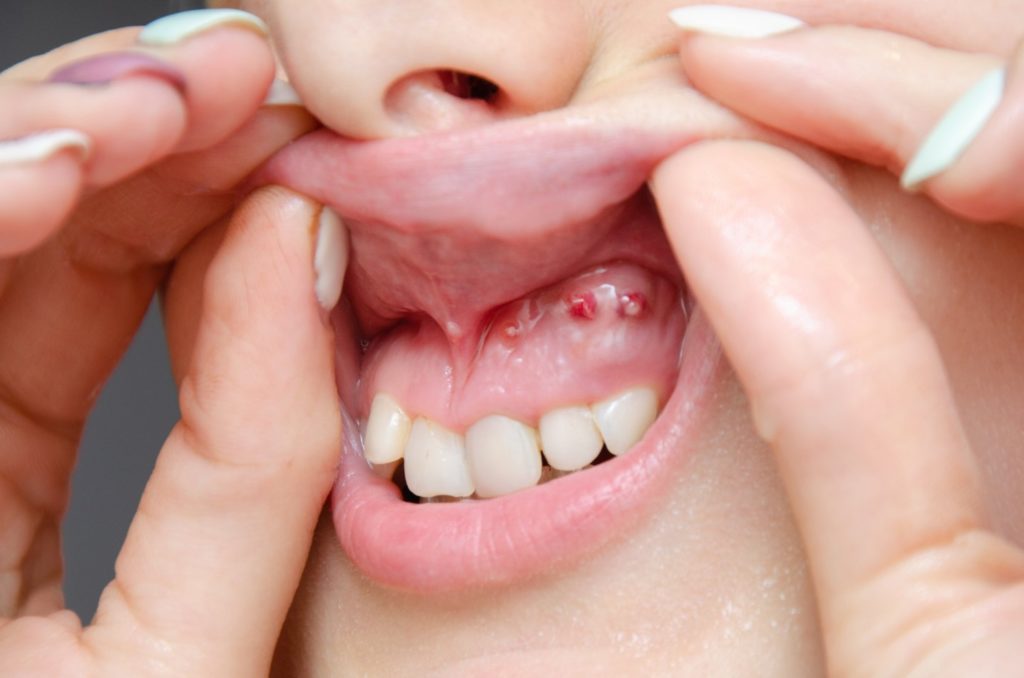
Cystic lesions of the jaws are common pathologic changes. This group of lesions includes many conditions, either odontogenic or nonodontogenic. Odontogenic cysts arise from the remnants of tooth formation tissues, and consequently, they develop in the tooth-bearing areas of the jaws. Nonodontogenic cysts were classically thought to arise from the remnants of the maxillary or mandibular processes in the forming embryo. Many cysts are slow growing and asymptomatic, often found as incidental findings at dental check-ups. Sometimes cysts cause the migration of teeth, resulting in spacing or crowding between the teeth.
In rare cases, if cysts are left untreated, they can cause excessive erosion of the jaw bones, resulting in pathologic fractures of the jaw. Accurate diagnosis and appropriate treatment are required, as lesions generally continue to grow and may affect adjacent teeth and other structures or even result in pathologic fracture. Once a cyst is suspected, our specialists advise x-rays and CBCT scans to define the extent of the lesion and formulate a treatment plan accordingly. In some cases, doctors check the cystic and send it for a microscopic examination which gives a diagnosis about the nature of the cyst. Some cysts are small and can be removed by the dentist with local anaesthesia. However, most cysts require wider surgical treatment. Odontogenic tumours, by definition, are derived from tooth-related tissues, and although they have been reported in non-tooth-bearing structures, they develop mainly in the maxilla or mandible. The majority of tumours are benign, and while they may be locally aggressive, they rarely can metastasise. Nonodontogenic jaw tumours, on the other hand, develop from a wide variety of tissues in the body, often originate in non-tooth-bearing facial bones, and may develop in other sites outside of the head and neck. If tumours are left without treatment, they can grow to a disproportionate size and cause the weakening of the jaw bones, eventually leading to the pathologic fracture of the bone. They also are more prone to get infected, which further complicates the treatment. Doctors will begin with clinical examination, biopsy and x-rays, CT or CBCT scans to identify the nature of the tumour. Treatment is decided by numerous factors like – age, side, nature and size of the tumour. The management of these pathological changes is not just limited to removal but also involves the rehabilitation of the jaw bones. Since jaw bones, unlike other bones in the human body, give form and shape to our facial structure, it becomes necessary to plan their reconstruction. While most of the tumours are small and can be appropriately managed by resection and rehabilitation by dental prosthesis, some tumours involve the entire height of the bone, which require segmental resection of the jaw bone. This requires meticulous planning, for which specialists use 3-D and virtual surgical planning software to identify the exact amount of bone to be resected and decide about the reconstruction modality. Defects can be reconstructed by taking autogenous bones or bones from other parts of the same individual. However, some defects require reconstruction with a prosthesis, which is a 3D facial implant that mimics the natural bone contour, thereby restoring jaw continuity.