
الجراحة القحفیة الوجھیة والشفة المشقوقة والحنك المشقوق: الجراحة القحفیة الوجھیة ھي تخصص
فرعي من جراحة الوجھ والفكین التي تتعامل مع التشوھات الخلقیة والمكتسبة في الجمجمة والوجھ
متلازمة مع 500 وعظم الفك والھیاكل المرتبطة بھا. تشیر التقدیرات إلى أن ھناك أكثر من
التشوھات القحفیة الوجھیة. معظمھا مورفولوجي ، یؤثر على شكل ووظیفة الرأس والوجھ. عادة ما
یتم علاج ھذه العیوب من قبل الجراحین القحفیین الوجھیین ، بما في ذلك تعظم الدروز الباكر
(المعزول والمتلازم) ، والشقوق القحفیة الوجھیة النادرة ، والشفة المشقوقة والحنك المشقوق ،
وصغر السن ، وصغر الوجھ النصفي ، ومتلازمة تریشر كولینز ، ومتلازمة أبیرت ، ومتلازمة
كروزون ، وصغر الوجھ النصفي وغیرھا الكثیر. یشیر تعظم الدروز الباكر إلى الإغلاق المبكر
لواحد أو أكثر من خیوط رأس الرضیع. إنھ اضطراب خلقي یتمیز بالانصھار المبكر لواحد أو أكثر
من الغرز القحفیة ، مما یؤدي إلى نمو غیر طبیعي في الجمجمة. تتكون الجمجمة عادة من عظام
مفصولة بالغرز. مع نمو دماغ الرضیع ، تسمح الغرز المفتوحة للجمجمة بالتوسع وتطویر شكل
رأس طبیعي نسبیا. إذا أغلقت واحدة أو أكثر من الغرز مبكرا ، فإنھا تتسبب في تمدد الجمجمة في
اتجاه الغرز المفتوحة. ھذا یمكن أن یؤدي إلى شكل رأس غیر طبیعي. في الحالات الشدیدة ، یمكن أن
تسبب ھذه الحالة أیضا ضغطا متزایدا على الدماغ المتنامي
العلاج: یتم توجیھ العلاج في مرحلة الطفولة إلى تصحیح اندماج الخیط والرأس المشوه الناتج. عادة
4 ما یتم العلاج الجراحي لتشوه منتصف الوجھ خلال فترة ما قبل المدرسة (سن – سنوات). یتطلب 6
التقدم الجراحي التقلیدي لمنتصف الوجھ جروحا عدیدة في عظام الوجھ ودفع منطقة منتصف الوجھ
إلى مستوى محدد مسبقا. ھذا یتطلب عادة ترقیع العظام. تستخدم الألواح والبراغي لتثبیت الوضع
الجدید. یستخدم المتخصصون لدینا تقنیة إلھاء العظم التي توفر تصحیحا أكثر استقرارا. متلازمة
القحف الوجھي ، أو تعظم الدروز الباكر ، ھي حالة معقدة یمكن أن تؤثر بشدة على نمو الطفل. إذا لم
یتم علاجھ في الوقت المناسب ، فإنھ یسبب عموما إعاقة دائمة. ومع ذلك ، مع التقنیات الجراحیة
.المتقدمة ، أصبح علاج مثل ھذه الحالات المعقدة بأقل قدر من المراضة ممكنا
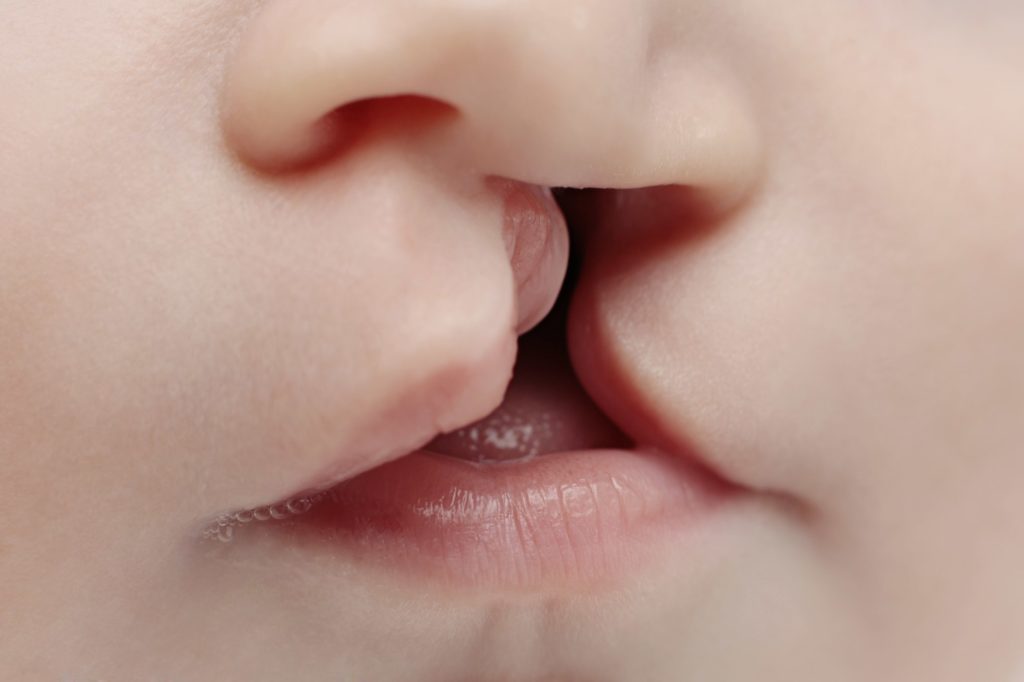
Craniofacial surgery is a subspecialty of maxillofacial surgery that deals with congenital and acquired deformities of the skull, face, jaw bone and associated structures. There are estimated to be over 500 syndromes with craniofacial anomalies. Most are morphologic, affecting the form and function of the head and face. These defects are typically treated by craniofacial surgeons, including craniosynostosis (isolated and syndromic), rare craniofacial clefts, cleft lip and palate, micrognathia, hemifacial microsomia, Treacher Collins Syndrome, Apert’s Syndrome, Crouzon’s Syndrome, hemifacial microsomia and many others.
Craniosynostosis refers to the early closing of one or more sutures of an infant’s head. It is a congenital disorder marked by premature fusion of one or more cranial sutures, resulting in abnormal cranial growth. The skull is normally composed of bones which are separated by sutures. As an infant’s brain grows, open sutures allow the skull to expand and develop a relatively normal head shape. If one or more of the sutures has closed early, it causes the skull to expand in the direction of the open sutures. This can result in an abnormal head shape. In severe cases, this condition can also cause increased pressure on the growing brain. Approximately one in 2500 infants are affected by this disorder.
Treatment
Treatment in infancy is directed at correction of the suture fusion and resultant misshapen head. Surgical treatment of the mid-face deformity is usually done during the pre-school period (age 4-6 yrs). Conventional surgical advancement of the mid-face requires numerous cuts of the facial bones and advancing the mid-face region to a predetermined level.
This usually requires bone grafts. Plates and screws are used to stabilise the new position. Our specialists are using the Osteogenic Distraction technique that provides more stable correction. Craniofacial syndrome, or craniosynostosis, is a complex condition that can severely affect a child’s growth. If not treated at the proper time, it generally causes permanent disability. However, with advanced surgical techniques, treating such complex conditions with minimal morbidity has become possible.
This usually requires bone grafts. Plates and screws are used to stabilise the new position. Our specialists are using the Osteogenic Distraction technique that provides more stable correction. Craniofacial syndrome, or craniosynostosis, is a complex condition that can severely affect a child’s growth. If not treated at the proper time, it generally causes permanent disability. However, with advanced surgical techniques, treating such complex conditions with minimal morbidity has become possible.